Customs duty and VAT relief when moving back from the USA
You qualify for customs duty relief if you are moving your normal place of residence from the USA to the EU after living outside the EU for at least 12 continuous months. The relief covers personal belongings you have had in your possession and, unless they are consumables, used for at least six months before leaving, and that you will use for the same purpose in your new home. You then have 12 months from settling in to import them, and for 12 months after clearance you may not sell, lend, rent out or pledge them without first notifying customs. VAT relief works on almost the same conditions.
The customs rules are set out in Articles 3–11 of Council Regulation (EC) No 1186/2009 and apply across the EU. VAT relief rests on Council Directive 2009/132/EC as applied by each member state; in Poland, that means Articles 47 and 81 of the VAT Act. Neither relief is automatic: customs decides every case based on your documents. Below we go through each condition, the exclusions, the deadlines and common mistakes. We are a family-run forwarder in business since 1994, and we clear our customers' household goods in Gdynia, Poland, under a signed power of attorney.
1. Who qualifies: it's about residence, not your passport
The relief is for a private individual transferring their normal place of residence from a non-EU country to the EU. Guidance from the Polish tax administration (podatki.gov.pl) names two groups: Poles returning from outside the EU and foreign nationals moving to Poland from outside the EU. Citizenship does not decide it. What counts is where you actually lived and where you will now live.
The core condition is at least 12 continuous months of residence outside the EU. Polish government guidance (powroty.gov.pl) explains that physically staying somewhere without intending to live there is not enough, and neither is the intention alone. Temporary trips, such as a vacation in Europe or a business trip, do not break the period as long as your center of life stayed in the USA. Absences should not, however, be so long that they raise doubts about where you really lived.
The move must be genuine. If you effectively keep two homes at the same time, one in the USA and one in Europe, the condition is not met. Where you lived abroad for less than 12 months, customs may make an exception if you clearly intended to stay at least a year (Article 5(2) of the regulation). In Poland, VAT relief in that situation requires at least six months abroad and a credible showing that the shorter stay was beyond your control (Article 47(6) of the VAT Act).
2. Which belongings qualify: six months of use, same purpose
Personal property means goods for your own use or your household's needs. Article 2 of the regulation lists items such as furniture and household equipment, household linen, personal effects, bicycles and motorcycles, private cars and their trailers, camping trailers, pleasure boats and private aircraft. Household provisions suited to normal family needs, pets and portable instruments needed for your trade or profession count too. The type or quantity of goods must not suggest a commercial purpose.
Each item must meet the two conditions in Article 4. First, you must have had it in your possession at your former home for at least six months before you stopped living there, and used it there too unless it is a consumable. Polish guidance adds that actual, effective control over an item counts, not only formal ownership. Second, it must serve the same purpose in your new home: the sofa from your US living room goes into your new living room, not up for sale.
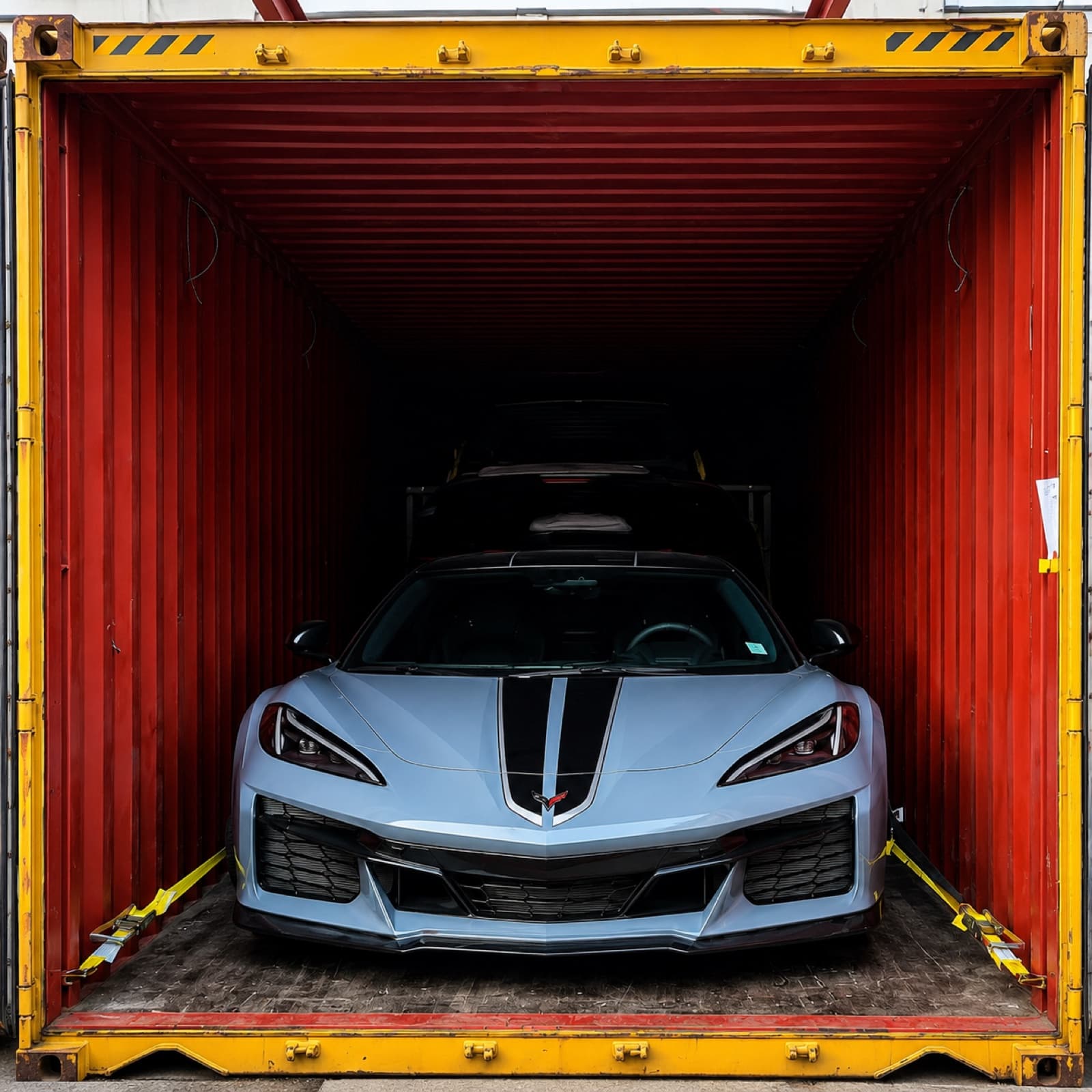
A car can also be part of your household goods, but it comes with extra conditions; in Poland these include excise tax rules. We cover them in a separate article in Polish: samochód na mienie przesiedleńcze. The car can travel in the same container as your furniture, provided it is empty.
3. What the relief does not cover
Even if you meet every condition on residence and on the belongings themselves, some goods will not get relief. Tools you use around the house can generally fall within personal property, because the definition covers equipment for your own use or your household's needs. Work equipment, however, qualifies only if it is portable, so a stationary machine from your workshop will not. The simplest rule for alcohol and cigarettes: leave them out of the household goods container.
The exclusions are listed in Article 6 of the regulation and, for VAT, in Article 6 of Directive 2009/132/EC; in Poland, Article 47(2) of the VAT Act lists the same four categories. No relief is granted for:
- Alcoholic products: beer, wine, spirits, liqueurs
- Tobacco and tobacco products
- Commercial means of transport
- Articles used in a trade or profession, other than portable instruments
4. Deadlines: 12 months to import, several shipments, shipping before you move
Your goods must be entered for clearance within 12 months of the date you establish your residence in the EU (Article 7 of the regulation; in Poland, also Article 47(3) of the VAT Act). Polish guidance describes this as actually settling, meaning you have taken the steps to set up your home. You do not have to ship everything at once: the rules expressly allow several separate consignments within that period.
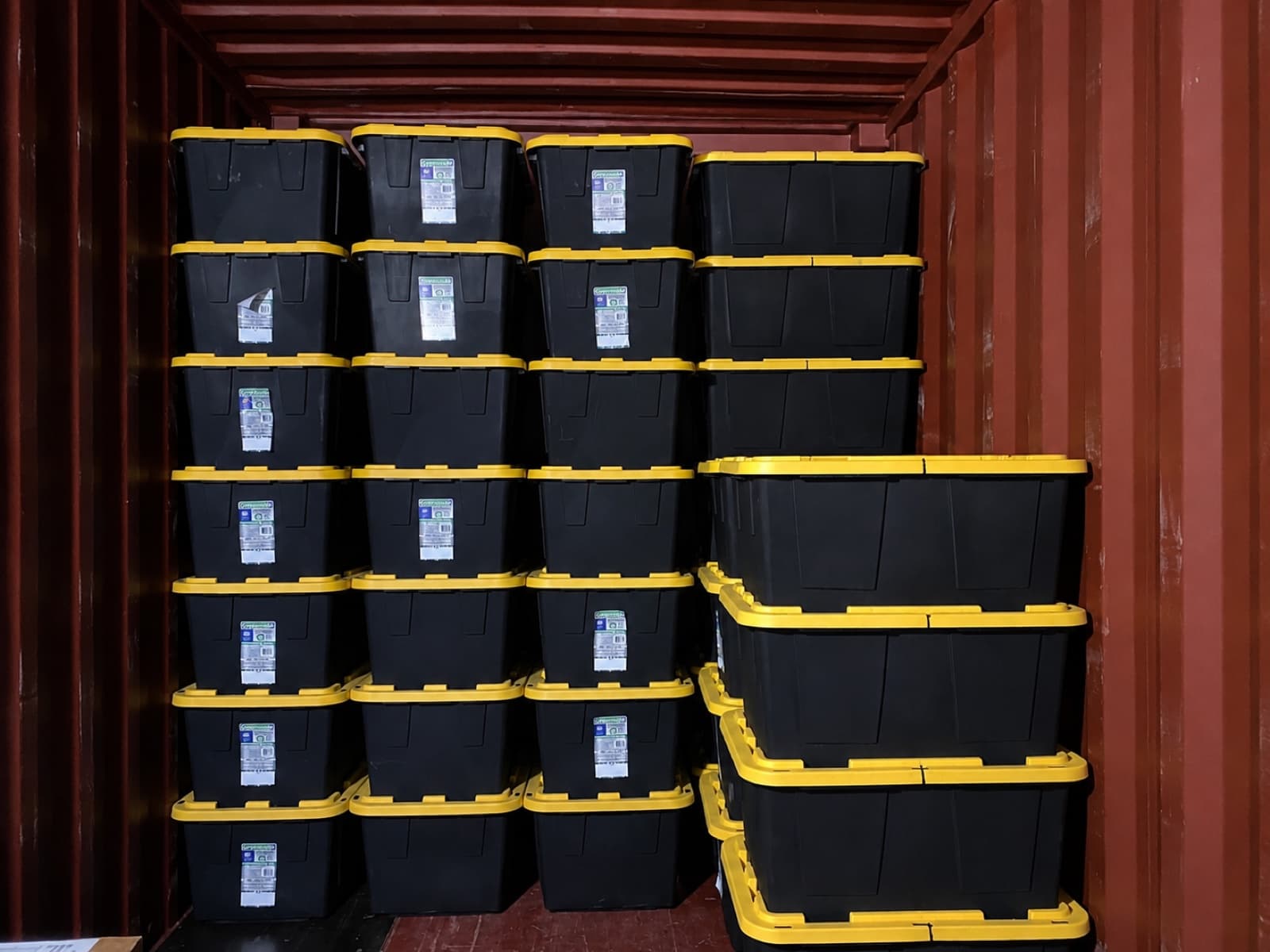
In practice, that might mean a 40' High Cube container with your furniture and car goes first, and when you wrap things up in the USA a few months later, the remaining boxes follow as shared LCL freight through our warehouse in Irvington, New Jersey. If the first shipment is cleared before you have established your residence, the rules in the next paragraph apply (an undertaking and a security). Each consignment gets its own customs declaration, and the relief is generally requested with the declaration, so have your documents ready every time.
You can also ship before you move. You then undertake to establish your residence within six months and post a security in the form and amount set by customs (Article 9 of the regulation; in Poland, Article 47(5) of the VAT Act). For customs duty, the six-month possession and use period is then counted by reference to the date the goods enter the EU customs territory (Article 9(2) of the regulation); for Polish VAT, by reference to the date they are released for free circulation in Poland (Article 47(5) of the VAT Act).
5. Customs duty and VAT: two reliefs that go together
Regulation 1186/2009 covers customs duty only. VAT relief on the same belongings comes from Directive 2009/132/EC, which uses almost the same conditions, and each member state applies it under its own law. In Poland, Article 47 of the VAT Act exempts the import of personal-use belongings of a person moving their residence from outside the EU to Poland on nearly identical conditions: six months of use, same purpose, 12 months of residence abroad and 12 months without transferring the goods. Article 81 adds that this VAT exemption applies where customs duty relief is applied.
Even so, Polish official guidance stresses that customs relief does not automatically mean relief from VAT and excise: each is assessed under its own rules. According to powroty.gov.pl, the only excise good the household-goods relief deals with is a passenger car.
If the conditions are not met, the goods are cleared on standard terms, with duty and VAT. So it pays to check your situation before loading day, not at the port.
6. Documents and clearance in Gdynia
We take care of the clearance. We place a container at your US address for you to load within an agreed time window (our crew can do the loading for an extra fee), or you deliver your goods to our warehouse in Irvington, NJ. From New Jersey the container sails to Gdynia in 16–20 days, and a door-to-door move from New Jersey usually takes 4–6 weeks. You sign a power of attorney and provide the documents, and you will find the household inventory and power of attorney forms at lesniewski.com/en/forms. The relief is granted only by customs in the EU country where the goods will be used, so the Polish details on this page apply if you are settling in Poland.
Customs makes the decision, and the burden of proof is on you. In Poland, the customs declaration must be accompanied by an inventory of the goods listing quantities and values, in two copies, plus documents showing you meet the conditions. If anything is unclear, customs can ask for further confirmation. Examples given in Polish official guidance (podatki.gov.pl, powroty.gov.pl):
- 12 months outside the EU: employment contract, lease, gas, electricity or phone bills, a tax office certificate showing you paid taxes
- Six months of possession and use: purchase invoices, repair or maintenance bills, and for a car, the registration in your name
- Residence in Poland: registered address (zameldowanie), a Polish lease or employment contract, or a residence card for foreign nationals
- An inventory with quantities and values, in two copies
7. Common mistakes that can cost you the relief
Each of these points comes from the rules or from official guidance, and most can be avoided if you plan the move early:
- Buying new things right before leaving. Items bought a month before the move do not meet the six-month possession and use rule. The customs regulation allows an exception in special cases justified by the circumstances, but in Poland the VAT Act has no such exception, so VAT on such an item is generally payable.
- Selling, renting out or lending goods within 12 months of clearance. That requires notifying customs first and means paying duty and VAT at the rates in force on that day.
- Keeping two homes. If you still actually live in the USA and only visit Europe, there is no transfer of residence.
- Missing the deadline. Goods declared more than 12 months after you settle generally no longer qualify for relief.
- Packing alcohol, cigarettes or goods in commercial quantities with your household goods.
- An incomplete inventory. It is a required attachment to the declaration, and customs decides based on the documents you provide, so list everything that ships.
Moving back from the USA? Start with a free quote
Tell us what you are shipping and from where, and we will send a free quote within 24 hours. We clear your goods in Gdynia under your power of attorney, and you will find the forms at lesniewski.com/en/forms.
+1 (973) 372 1100Frequently asked questions
How do I prove I lived outside the EU for 12 months?+
With credible documents from that period. Polish official guidance (podatki.gov.pl and powroty.gov.pl) gives examples such as an employment contract, a lease, gas, electricity or phone bills, and a tax office certificate showing you paid taxes. Ideally, together they cover the full 12 months without gaps.
Do trips back to Europe during my US stay break the 12-month period?+
Not if they were temporary, such as a vacation or a business trip, and your center of life stayed in the USA the whole time, according to podatki.gov.pl. The absences should not, however, be so long that they raise doubts about where you actually lived.
How long after moving can I still import my belongings duty-free?+
You have 12 months from the date you establish your residence. Within that window you can ship in several consignments, for example a container of furniture first and the remaining boxes later. You can also ship before you move, but then you undertake to settle within six months and post a security set by customs.
Does customs duty relief automatically mean VAT relief?+
Not automatically. VAT relief has its own, very similar conditions under Directive 2009/132/EC and national law. In Poland it is Article 47 of the VAT Act, and Article 81 links it to customs relief: if you meet the VAT Act conditions and customs grants duty relief, you pay neither duty nor VAT. A car also has separate excise rules in Poland.
Do new items bought just before leaving qualify?+
As a rule, no. Non-consumable items such as furniture, a TV or tools must have been in your possession and used abroad for at least six months before you moved. For customs duty, the regulation allows exceptions in special cases justified by the circumstances, and customs decides; in Poland the VAT Act has no such exception. If such items are in your shipment, the relief will not cover them, so import duties and taxes are payable on them.
Are the tools I use for work covered by the relief?+
Only portable instruments and equipment needed for your trade or profession. Other articles used for work and commercial means of transport are excluded (Article 6 of Regulation 1186/2009; in Poland, Article 47(2) of the VAT Act). If you are unsure which group your equipment falls into, ask us before loading.