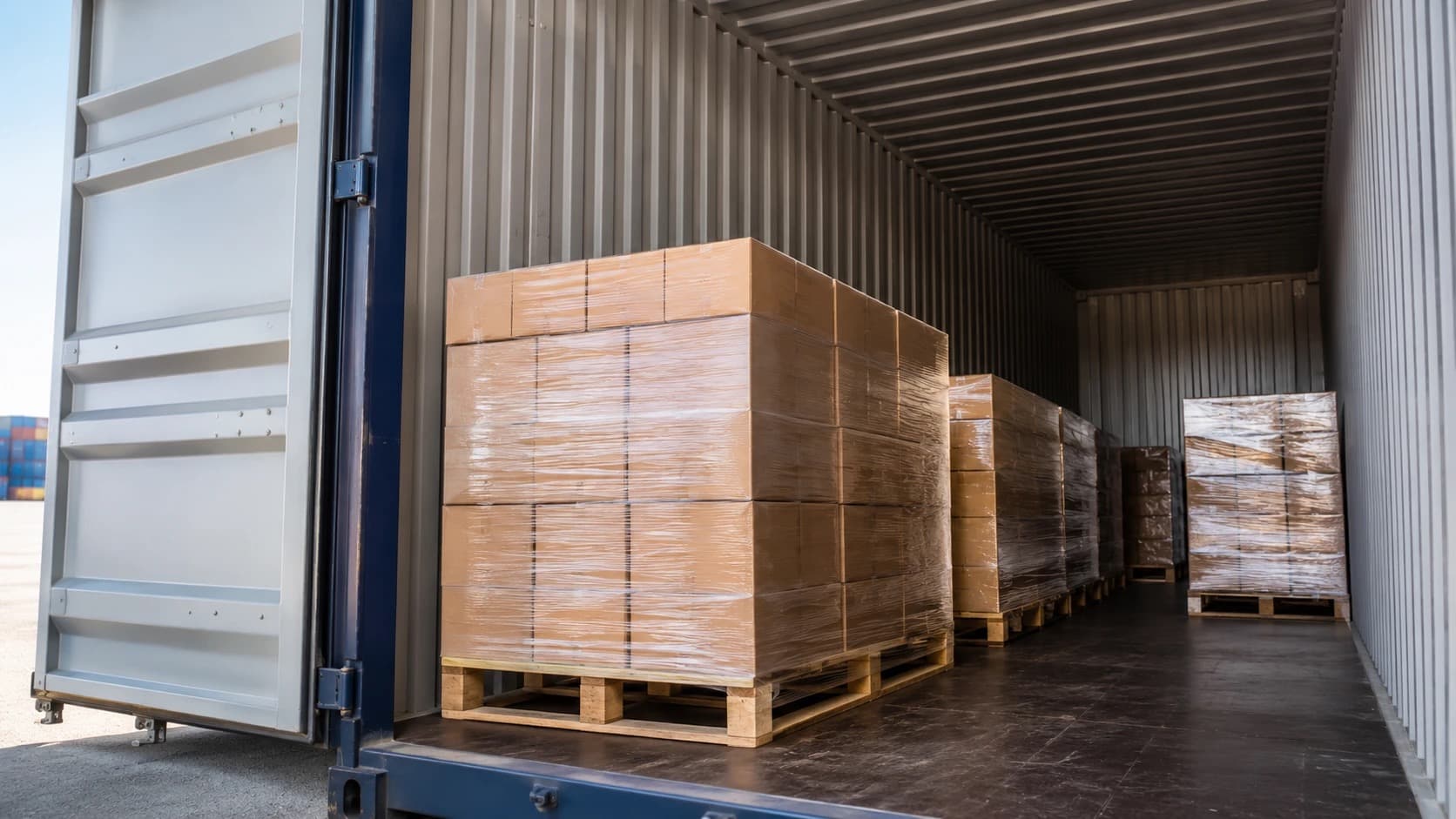
Moving from Europe to the USA — Step by Step
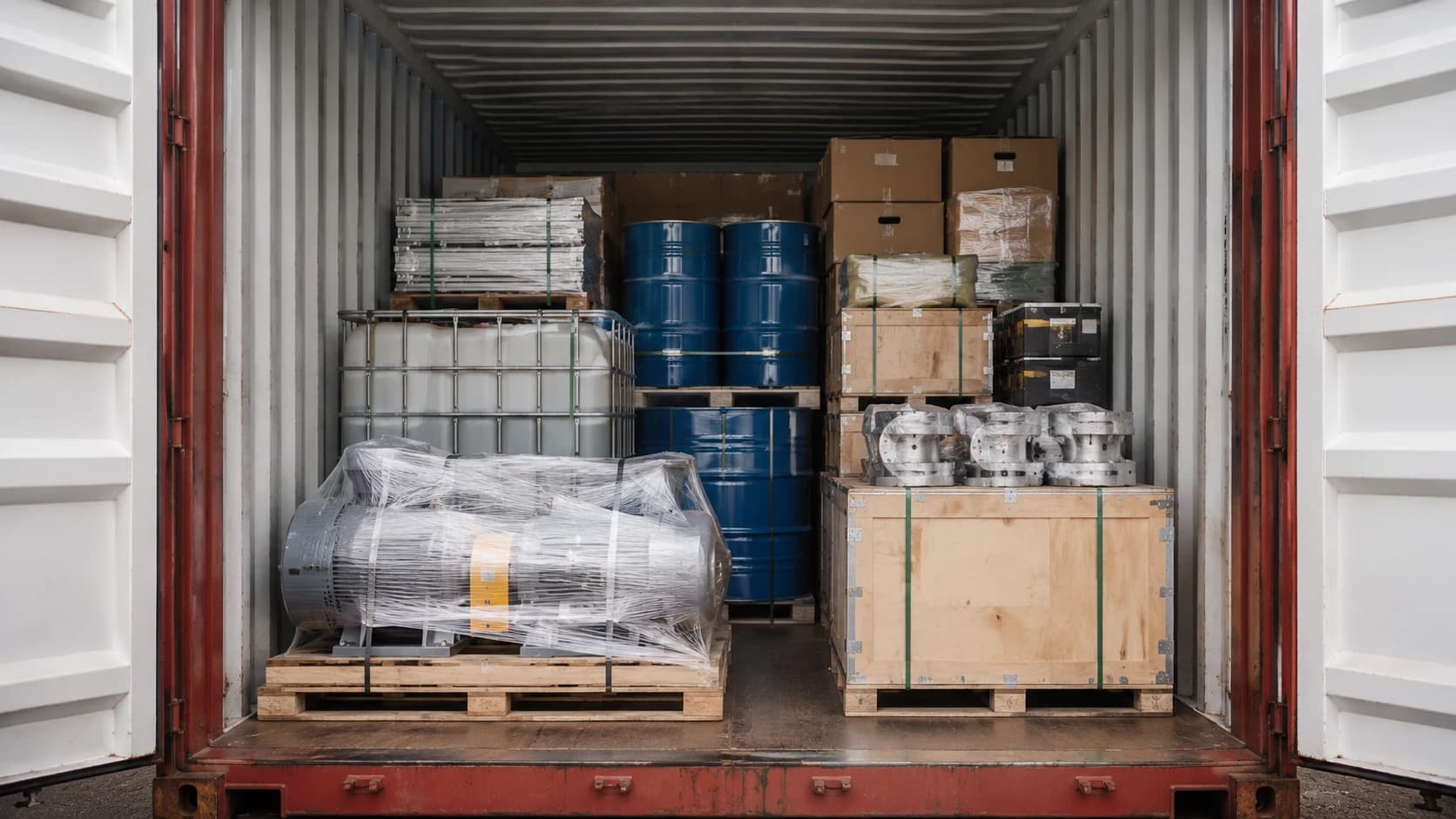
Moving across the Atlantic means putting furniture, appliances and often a lifetime of belongings on a ship. With the right planning, though, shipping household goods to the USA is a predictable process — and an experienced freight forwarder can take most of the paperwork off your plate.
Leśniewski Shipping has been moving cargo between Europe and the United States since 1994 as a licensed NVOCC registered with the U.S. FMC. With offices in Radziejowice, Poland and Irvington, New Jersey, our own U.S. warehouse and direct carrier contracts, we handle your relocation door to door — in English and Polish.
1. Plan Your Timeline Early
Door-to-door ocean transport from Poland to the USA typically takes about 4–6 weeks, on top of the time needed for packing, paperwork and pickup. Start organizing the shipment a few months before your target moving date.
The first step is a quote: send us your list of items and you will receive a fixed, individual offer within 24 hours. Pricing depends on the route, season and type of cargo, so the earlier we know the details, the better we can tailor the solution.
- Make an inventory of what you are shipping and estimate its volume in cubic meters
- Request a quote — you get a fixed offer within 24 hours
- Choose FCL or LCL and book your slot
- Prepare documents and the inventory list (free forms at lesniewski.com/formularze)
- Pack and label everything, or have it packed for you
- Allow 4–6 weeks for door-to-door transport
2. FCL or LCL — Choosing a Container for a Household Move
FCL (Full Container Load) gives you a container to yourself: a 20-foot unit holds about 33 m³ (payload up to roughly 28 tonnes), a 40-foot about 58 m³, and a 40-foot High Cube about 65 m³. LCL (Less than Container Load) means sharing a container and paying only for the space you actually use.
A practical rule of thumb: FCL starts to pay off at around half a 20-foot container, roughly 15 m³. A studio or small apartment usually travels economically as LCL, while the contents of a whole house — sometimes together with a car — are best shipped in a container of your own.
Not sure how many cubic meters you have? We help estimate the volume at the quoting stage and recommend the option that genuinely costs less.
3. What You Can and Cannot Bring Into the USA
U.S. Customs and Border Protection (CBP) generally admits used personal effects and household goods duty-free when they arrive as part of a relocation — this applies to immigrants and returning U.S. residents, provided the correct forms and declarations are filed. The key is that the items are used, genuinely yours and honestly listed on the inventory.
Some goods are restricted or prohibited and are better left out of the container unless cleared first. The rule is simple: declare everything, and when in doubt ask before loading — our team will tell you what to leave behind.
- Food — fresh, meat and dairy products in particular face restrictions
- Plants, seeds and plant products — permits required or entry prohibited
- Alcohol — subject to limits and individual state regulations
- New goods in commercial quantities — not covered by the household-goods exemption
4. Door to Door With Leśniewski — Process and Paperwork
Once you accept the quote, we collect your belongings from your address in Poland, arrange loading and ocean freight from Gdynia or Gdańsk, and on the American side we use our own New Jersey warehouse before delivering to your new door. With direct carrier contracts and no middlemen, you deal with one partner for the entire route.
We prepare the documentation for you: the Bill of Lading, the ISF filing required for U.S.-bound ocean cargo, the commercial invoice and the packing list. Free downloadable forms, including the inventory list, are available at lesniewski.com/formularze, and an online wizard walks you through filling them in step by step.
5. How Long Does Shipping to the USA Take?
Ocean transit time depends on the U.S. port of arrival. The figures below cover the sea leg itself — the full door-to-door relocation usually closes within 4–6 weeks.
Exact sailing dates depend on carrier schedules and the season, so we confirm specific dates together with your quote.
- Gdynia/Gdańsk → New York: approx. 14–20 days
- Gdynia/Gdańsk → Savannah/Charleston: approx. 18–24 days
- Gdynia/Gdańsk → Houston: approx. 24–30 days
- Gdynia/Gdańsk → Los Angeles/Long Beach: approx. 30–40 days
- Hamburg/Rotterdam → New York: approx. 10–14 days
Plan Your Move to the USA With Us
We have been shipping household goods between Europe and the United States since 1994. Send us your inventory and get a fixed quote within 24 hours — in English or Polish.
+1 (973) 372 1100Frequently asked questions
How much does it cost to move to the USA?+
Pricing depends on the route, season, volume and type of cargo, so there is no one-size-fits-all price list. Send us your inventory and you will receive a fixed, individual quote within 24 hours — with no hidden costs.
Will I pay U.S. duty on my used belongings?+
Used personal and household goods shipped as part of a relocation are generally duty-free for immigrants and returning U.S. residents, provided the correct forms are filed. We help you prepare the declarations and inventory list so customs clearance goes smoothly.
Should I choose FCL or LCL for my move?+
FCL starts to pay off at around half a 20-foot container, roughly 15 m³. Smaller moves usually ship more economically as LCL, where you pay only for the space you use — we recommend the right option at the quoting stage.
What documents do I need and who prepares them?+
The Bill of Lading, ISF filing, commercial invoice and packing list are all prepared for you by our team. Free forms, including the inventory list, are available at lesniewski.com/formularze or through the online wizard.