FCL or LCL — which way to ship to the USA?
Shipping goods from Poland to the United States starts with one key decision: FCL or LCL? It shapes your freight cost, your timeline, and how many hands touch your cargo along the way. The good news is that the choice becomes straightforward once you know a few simple rules.
This guide explains the difference between booking a whole container and sharing one, how pricing works in each model, and which types of cargo suit which option. As a licensed NVOCC freight forwarder in business since 1994, we quote both options in a single offer — so you can compare them side by side.
1. What FCL and LCL actually mean
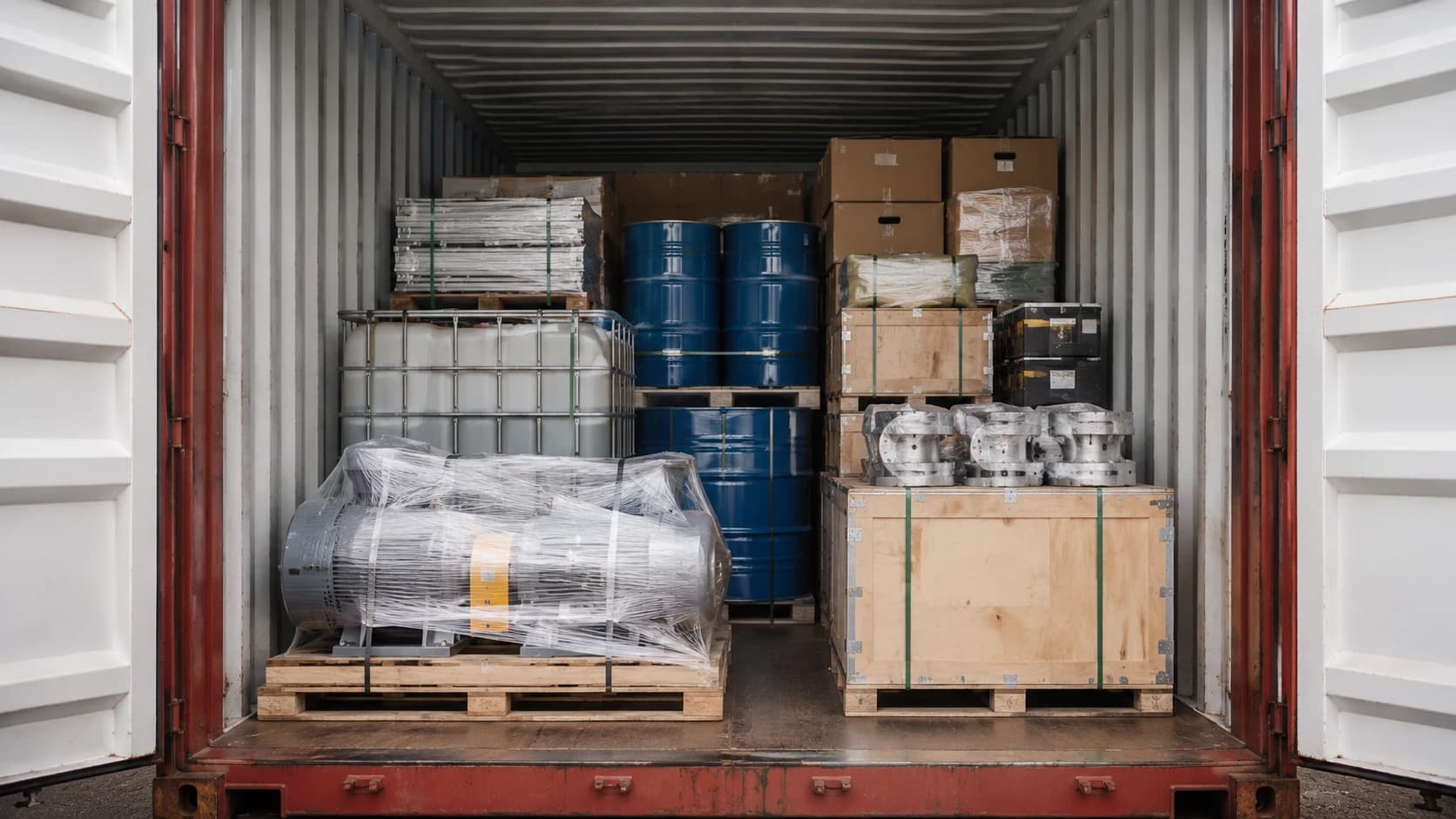
FCL (Full Container Load) means the entire container is yours. No one else's goods travel inside: it is loaded once, sealed, and opened only at the destination in the USA. You pay for the whole box, regardless of how full it is.
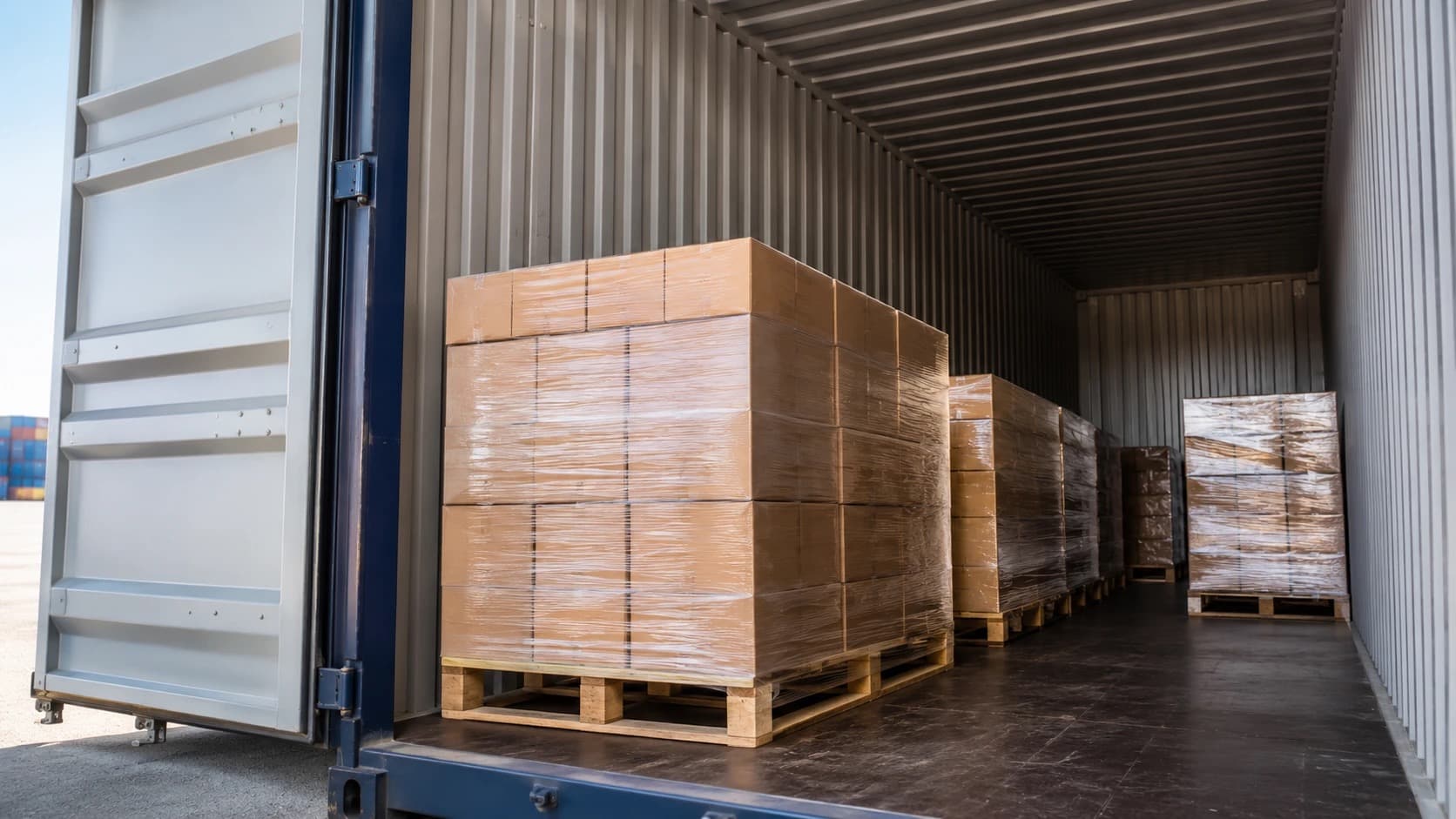
LCL (Less than Container Load) is shared loading — sometimes called a shared or split container. Your cargo travels alongside shipments from other exporters, and you pay only for the space you actually occupy. It is the natural choice for consignments too small to fill a container.
Container capacities are worth memorizing: a 20-foot box holds about 33 m³ (payload up to roughly 28 tonnes), a 40-footer about 58 m³, and a 40' High Cube about 65 m³. Every FCL-versus-LCL calculation starts from these numbers.
2. The cost logic: pay for space or pay for the box
LCL pricing is proportional: the less space your cargo takes, the less you pay, which makes it hard to beat for small shipments. FCL is a flat rate for the entire container — so with larger volumes, the cost per cubic metre drops quickly.
The practical rule of thumb: FCL starts to pay off at around half of a 20-foot container, roughly 15 m³ of cargo. Below that line, LCL is usually cheaper; above it, ask for a comparison, because a full container often costs about the same while giving you more control.
Exact pricing depends on the route, the season, and the nature of the cargo, so we never quote off a generic rate card. Instead, you get an individual fixed-rate quote within 24 hours.
3. Speed and handling: how your cargo actually travels
The ocean leg takes the same time either way: Gdynia or Gdańsk to New York runs about 14–20 days, Savannah/Charleston about 18–24, Houston about 24–30, and Los Angeles/Long Beach about 30–40 days. Door to door, plan on 4–6 weeks in total.
The difference is in the handling. LCL cargo first waits at a consolidation warehouse until the container fills up, and after arrival in the USA it is deconsolidated and transloaded — extra days and extra touchpoints. An FCL container is loaded once, sealed, and travels unopened to the consignee.
That is why FCL offers more predictability for tight deadlines and handling-sensitive goods, while LCL remains an excellent fit for small consignments on a flexible schedule.
4. Which cargo suits FCL, and which suits LCL?
Choose FCL for fragile, high-value, heavy, or time-critical goods — a sealed container with no transloading means minimum risk and maximum control. LCL works well for smaller commercial batches in sturdy packaging that handles consolidation without complaint.
Use this checklist to decide in under a minute:
- Under about 15 m³? Shared loading (LCL) will usually be the cheaper option.
- Approaching 15 m³ or more? Compare an FCL quote — a full container often costs about the same.
- Fragile, valuable, or unusual cargo? Go FCL — the container is sealed and travels without transloading.
- Heavy freight? A 20' container carries up to about 28 tonnes within roughly 33 m³.
- Light but bulky goods? A 40' High Cube gives you about 65 m³ of space.
- Hard deadline? FCL skips the wait for consolidation at the warehouse.
- Small batch, flexible timing? LCL — you pay only for the space you use.
- Still unsure? Request both options in one quote and compare them side by side.
5. One offer, both options — how Leśniewski Shipping quotes
You do not have to guess. Based on your cargo's dimensions, weight, and type, we prepare a single offer pricing both FCL and LCL — at a fixed rate, within 24 hours. With direct carrier contracts (no middlemen) and our own warehouse in New Jersey, we control the cargo along the entire route.
Our team handles the paperwork: the Bill of Lading (B/L), the ISF filing, the commercial invoice, and the packing list are all on us. Free downloadable forms are available at lesniewski.com/formularze, along with an online wizard at /formularze/wypelnij-online.
We serve clients in Polish and English from our offices in Irvington, New Jersey, and Radziejowice, Poland — continuously since 1994, as an NVOCC registered with the U.S. Federal Maritime Commission.
Compare FCL and LCL in a single quote
Send us your cargo's dimensions, weight, and type, and you will receive a fixed rate for both options within 24 hours. We have connected Poland and the USA since 1994 — with our own New Jersey warehouse, direct carrier contracts, and a bilingual team.
+1 (973) 372 1100Frequently asked questions
What is shared-container (LCL) shipping to the USA?+
LCL, or shared loading, means your goods travel in a container together with shipments from other exporters, and you pay only for the space you actually occupy. It is the most economical option for consignments too small to fill a whole container.
At what volume does a full container (FCL) start to pay off?+
The practical threshold is around half of a 20-foot container — roughly 15 m³. Below that, LCL is usually cheaper; above it, compare both options, because FCL often costs about the same while eliminating transloading entirely.
Is LCL slower than FCL?+
The ocean crossing itself takes the same time — for example, Gdynia to New York is about 14–20 days. But LCL adds a wait for consolidation plus deconsolidation and transloading in the USA, so the full door-to-door journey typically runs 4–6 weeks, with FCL being the more predictable of the two.
Who prepares the export documents for a US-bound shipment?+
When you ship with Leśniewski Shipping, our team prepares the documentation — the Bill of Lading (B/L), the ISF filing, the commercial invoice, and the packing list. Free forms are available at lesniewski.com/formularze, with an online wizard at /formularze/wypelnij-online.